Skip to main content
Skip to footer
Skip to main content
Skip to footer

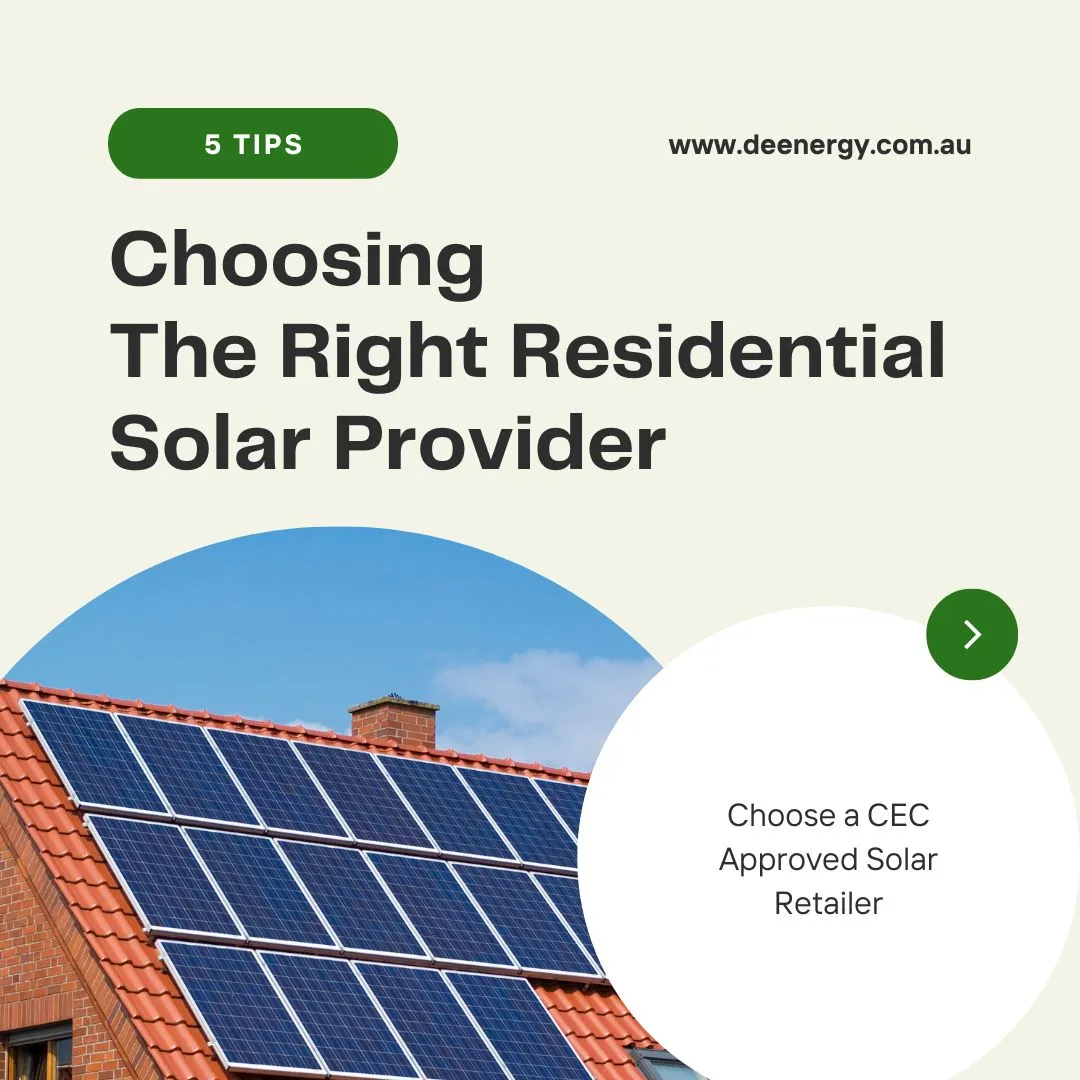
When it comes to choosing a residential solar provider, you have many factors to consider. Here are 5 tips for finding the best provider for your home.
1: Research the Solar Provider
When researching residential solar providers, it is important to compare different companies and their offerings. Factors such as installation costs, system warranties, and financing options should all be taken into consideration. Be sure to read customer reviews and contact the Better Business Bureau to ensure the company is reputable and trustworthy. Additionally, research your local solar incentives and rebates that may be available to help you save money on your solar installation. Doing your research up front can help ensure you get the most out of your residential solar investment.
Choose a CEC Approved Solar Retailer

When it comes to residential solar, it is important to choose a CEC approved solar retailer. The Clean Energy Council (CEC) is the national body for the Australian solar industry. The CEC sets the standards for solar systems and solar retailers, making sure they are safe, reliable, and compliant with relevant regulations. By choosing a CEC approved solar retailer, you can be sure you are getting a quality system and installation.
2: Ask Solar System Questions
Switching to solar energy has significant benefits for homeowners, but it can be difficult to know where to start. Homeowners can now take advantage of free resources and experts to ask questions and learn more about residential solar systems. These resources provide a great opportunity to get the answers needed to make an informed decision on whether or not to install a solar system at their home.
What type of roof is best suited for a residential solar system?
When deciding to install a residential solar system, it is important to consider the type of roof that is best suited for the system. Flat roofs provide an ideal surface for solar panels as they allow for easy installation, but if you have a pitched roof, it’s still possible to install solar panels, although it may take more effort and cost significantly more. Tile roofs are also compatible with solar, but they require extra measures to ensure that the panels are mounted securely and safely. Ultimately, any type of roof can be used for a residential solar system, but certain considerations should be taken into account before installation.
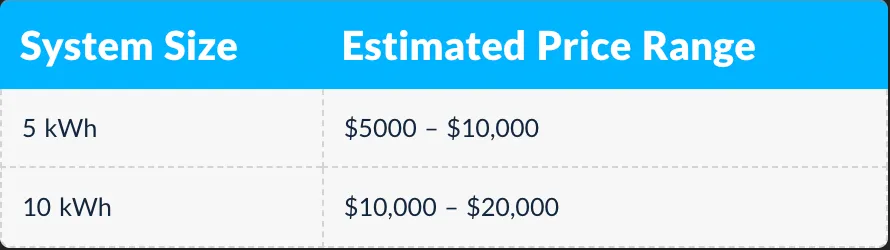
What is the approximate cost of installation for a residential solar system?
The cost of installing a residential solar system varies greatly depending on the size of the system and other factors. Generally speaking, the average cost of installation for a residential solar system is between $4,000 and $20,000. However, several tax credits and other incentives are available to make the purchase of a residential solar system more affordable, so homeowners should take advantage of these when possible.
How much energy can I expect to generate with a residential solar system?
Residential solar systems are a great way to reduce your electricity bill and your carbon footprint. The amount of energy generated by a residential solar system depends on a variety of factors, such as the size of the system, the location, and the amount of sunlight available. Generally, a typical 6.6kw residential system can generate between 20 to 45 kilowatts of electricity per day. However, this amount may vary depending on the season and the amount of sunshine available in your area. Additionally, many utility companies offer incentives for homeowners who install residential solar systems, which can help to offset the cost of installation.
What types of incentives are available to help finance a residential solar system?
The Australian Federal Government offers a number of incentives to help homeowners finance the installation of a residential solar system. These include the Small-scale Technology Certificates (STCs), which provide discounts on the cost of installation. Additionally, many states offer solar rebate programs, which provide cash incentives for households installing solar systems.
Solar Financing:
Homeowners can also take advantage of solar financing options, such as solar loans and solar leases, to help cover the cost of installation. Solar loans typically have lower interest rates than traditional financing options, and the monthly payments are often lower than an average electricity bill. Solar leases are another option for financing a residential solar system, and they allow homeowners to rent the system for a fixed amount each month.
Utility Company Incentives:
In addition to the incentives offered by the government, many utility companies also offer incentives for households that install residential solar systems. These incentives can include discounts on energy bills, free energy audits, and other incentives. Homeowners should contact their local utility company to learn more about the available incentives.
How long does it take to install a residential solar system?
The installation process of a residential solar system can vary depending on the size and scope of the project, but generally it can take anywhere between one to four days. Many factors can influence the length of time it takes to install a residential solar system including the number of solar panels to be installed, the complexity of the roof and the availability of installers. It is important to consider all these factors when planning for a residential solar installation to ensure that the project is completed in a timely manner.
Are there any maintenance requirements for a residential solar system?
Homeowners must maintain their solar system to ensure optimal performance. This includes cleaning the solar panels regularly to remove debris and keep the panels free of dirt, dust and other particles that can reduce the efficiency of the system. In addition, homeowners should also have their solar systems checked periodically to identify any potential issues before they cause damage or reduce performance. By properly maintaining their residential solar system, homeowners can enjoy long-term performance and savings.
What warranties are available for residential solar systems?
When investing in residential solar systems, it is important to consider the type of warranty that the product will come with. Most residential solar system companies offer warranties on their products and services, typically ranging from 10 to 25 years depending on the product. The warranties generally cover any defects in material or workmanship and may also include coverage for installation, labor, and other components of the system. It is important to research the specific warranty terms and conditions before purchasing a residential solar system in order to ensure protection against any unforeseen problems.
3: compare Prices and Services
Comparing prices and services of residential solar providers is an important step in selecting the best option for homeowners. By researching different companies and their offerings, savvy homeowners can save on installation costs and ensure they are getting the best service for their money. It is important to compare experiences from other customers, as well as the types of warranties offered by each provider. Additionally, considering the cost of installation, maintenance, and energy savings over time can help homeowners make an informed decision about their solar energy needs.
4: Get an Obligation-Free Quote
Make the switch to residential solar energy today and get a free, no-obligation quote from a trusted provider. Residential solar energy offers a cleaner, more sustainable way to generate electricity and the cost of installation has become increasingly more affordable. With today’s technology, you can take advantage of zero-down financing options and receive a return on your investment in as little as three to five years. Get your free quote today and start taking control of your energy bills.
5: Receive Ongoing Support and Maintenance from Your Provider
For those considering residential solar, ongoing support and maintenance from their provider is essential to maximizing the potential of their solar energy system. Solar providers should offer comprehensive support and maintenance plans that include regular inspections and maintenance services that keep the system running smoothly and efficiently. Additionally, they should also provide resources such as monitoring systems and educational materials to help homeowners fully understand the performance of their system. By taking advantage of these resources and services, homeowners can ensure their solar energy system continues to run optimally for years to come.
Conclusion
Choosing the right residential solar provider can be difficult. But with these 5 tips, you’ll be able to find the perfect provider for your needs. By following these tips, you’ll be able to save money on your solar installation, receive ongoing support and maintenance, and maximize the performance of your residential solar system.